

Employee Commuter Bike Programmes That Work

The morning commute should not begin with a search for parking, a queue of traffic or the feeling that a short journey has already used up the day’s energy. An employee commuter bike programme gives people another way to get to work: independently, affordably and on their own schedule.
For employers across Cyprus, that matters. Teams travel between homes, offices, campuses, shops and transport connections in busy urban areas every day. A well-planned bike benefit can make those journeys easier while helping an organisation reduce car dependency and put its ESG commitments into practical action.

What an employee commuter bike programme should solve
The best programmes do not ask employees to become dedicated cyclists overnight. They remove the small barriers that make a car feel like the default option for a two- to five-kilometre trip. The goal is simple: make cycling a realistic choice on the days when it suits the journey.
That means recognising how people actually travel. One employee may ride from a flat in central Limassol to the office. Another may take a bus part of the way, then need a quick connection to a meeting or workplace. A student employee may need a low-cost option between lectures and a shift. Some will be happy on a city bike, while others may prefer an electric city bike for a longer route, warmer weather or a hillier stretch.
A useful employee commuter bike programme gives people flexibility rather than a rulebook. It should help with everyday journeys, not create another task for an already busy team.
Why cycling benefits employers as well as riders
Commuting is often treated as something that happens outside working hours. Yet it affects how people arrive, how easily they attend meetings across town and how much pressure sits on limited workplace parking. When a journey is frustrating before the working day begins, that frustration does not stay in the car park.
A bike programme can relieve some of that pressure. Employees gain a direct option for short trips, especially in areas where driving a few streets can mean spending more time finding a space than travelling. They can move through their city with more control, avoid being tied to fuel costs for every errand and add light activity to their routine without setting aside separate gym time.
For businesses, the value reaches beyond convenience. Fewer car-only journeys can support transport and sustainability targets. Cycling also makes an employer’s environmental commitments visible in daily behaviour, not just in an annual report. The outcome will depend on participation, local routes and the number of journeys replaced, so it is better to set realistic goals than make sweeping claims. Even so, a programme that helps a portion of the team choose bikes more often is a meaningful place to start.
There is a culture benefit, too. Offering practical mobility choices says that an organisation understands the realities of getting around a city. It gives employees agency. Move freely, arrive ready and choose the journey that works that day.
Build the programme around real journeys
Before selecting a benefit, look at where employees work and how they currently travel. A short anonymous survey can reveal far more than assumptions. Ask about commute distance, parking availability, confidence riding in traffic, nearby public transport and whether employees need a bike for work-related travel during the day.
Location makes a major difference. An office near a bike-sharing station may be ideal for flexible, app-based rentals. A business with staff spread across several cities may need access to a wider network rather than bikes stored at one site. Employers with a single campus and secure facilities may choose dedicated fleet bikes. There is no single model that fits every workplace.
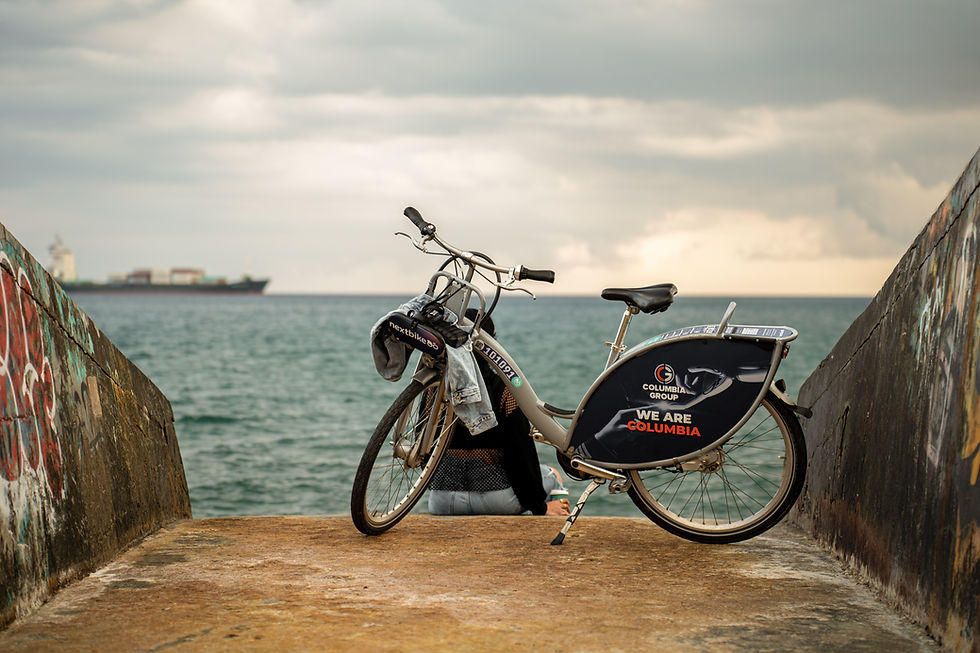
For a distributed workforce, shared mobility is often the simplest starting point. Employees can find a bike when they need one, unlock it through an app and return it after the ride according to the local rental arrangement. nextbike Cyprus offers city bikes and electric city bikes through locations across Limassol, Paphos, Nicosia, Larnaca, Famagusta and selected villages, giving organisations a practical way to connect staff with existing urban mobility.
The right choice also depends on the journey. Conventional city bikes work well for flatter, shorter urban trips. Electric assistance can make commuting more approachable for people who are new to cycling, carrying a bag or travelling in Cyprus heat. Mountain bikes and electric mountain bikes can suit particular recreational locations and varied terrain, but they are not automatically the best fit for a daily office commute. Match the bike type to the road, distance and rider.
Keep access easy
A programme loses momentum when employees have to complete forms, collect keys during limited hours or ask a manager for permission to ride. Digital access matters because commuting decisions are often made in the moment. A rider should be able to see where a bike is, understand the price or allowance and start a journey with minimal friction.
Employers can fund full rides, provide a monthly mobility allowance or offer a partial contribution. Each approach has a different effect. Full funding may encourage fast early adoption, while a co-funded model can stretch a budget across more users. A set allowance offers clarity, but it needs to reflect typical local journey costs if it is meant to change behaviour.
Whatever model you choose, explain it plainly. Employees should know who is eligible, how to access the benefit, what is covered and where to get help. Clear communication is part of the service, not an afterthought.
Make confidence part of the offer
Not everyone who could cycle feels ready to cycle. Some have not ridden for years. Others worry about traffic, road conditions, clothing, arriving warm or simply looking unsure on a new route. Those concerns are reasonable, and a successful programme addresses them without pressure.
Share practical guidance on choosing quieter routes, checking a bike before setting off, riding predictably and allowing a little extra time for a first journey. Encourage employees to try a route at a quieter time before relying on it for a morning commute. Where possible, let teams test the service during a lunch break or organise a relaxed group ride with experienced colleagues.
Workplace facilities influence confidence as well. Secure cycle parking is valuable for employees using their own bikes. A place to refill water bottles, store a helmet or freshen up can make cycling more comfortable, particularly during warmer months. These additions need not be elaborate. Often, small practical improvements remove the final reason not to try.
Measure what matters without making it intrusive
A commuter bike programme should be reviewed, but it does not need to become a surveillance exercise. Start with measures that show whether the benefit is useful: registrations, active users, number of rides, repeat use and feedback on routes or availability.
Then connect those figures to business goals. If parking demand is a problem, ask whether employees report driving less often. If your focus is ESG, track participation and estimated car journeys avoided using a transparent method. If staff wellbeing is a priority, ask whether riders find the commute less stressful or more enjoyable. Avoid claiming precise emissions savings unless the programme has reliable journey data and a clear calculation method.
Feedback is especially useful in the first few months. A low take-up rate may mean employees do not know the benefit exists, rather than that they do not want it. It may also point to a practical gap: no nearby station, unsuitable bike availability, uncertainty about pricing or a route that feels intimidating. Listen, adjust and communicate what has changed.
Launch with a reason to try it this week
A quiet announcement in a staff newsletter rarely changes commuting habits. Give people a clear invitation and a simple first step. A launch week, introductory ride credit, short demonstration or team challenge can create the prompt people need to test a different route.
Keep the message positive. This is not about telling employees to give up their cars in every situation. Cars, buses, walking and cycling all have a place, depending on the journey. It is about making short urban trips less dependent on one option and giving people more control when traffic and parking get in the way.
Managers can help by treating cycling as a normal mobility choice. Mention it alongside public transport, parking and remote-working arrangements. Encourage staff to use bikes for suitable local meetings, not only the home-to-office commute. When the programme becomes part of everyday planning, it has a better chance of lasting.
A good bike programme begins with one achievable ride: from the station to the office, from a meeting back to the city centre, or from home to work on a clear morning. Give employees that option, make it easy to use and let better everyday movement build from there.




Comments