

ESG Mobility Solutions: A Sustainable Choice for Everyday Travel in Cyprus
Updated: Aug 5
A parking space, a short drive, and a traffic queue can feel like normal parts of the working day. But they also shape an organization’s environmental footprint, employee experience, and relationship with the city around it. ESG mobility solutions give employers in Cyprus a practical way to improve those everyday journeys, without asking people to give up the freedom to move on their own terms.
For many trips across Limassol, Paphos, Nicosia, Larnaca, and Famagusta, the answer is not another car. It is a convenient option for the distance between home, office, campus, meeting, lunch spot, or public transit stop. Shared bikes and electric city bikes can make that option easy to choose.

What ESG Mobility Solutions Mean in Practice
ESG stands for environmental, social, and governance. It can sound like boardroom language, but mobility brings it into the real world. It is visible in how employees arrive at work, how visitors travel between appointments, and how an organization helps reduce pressure on busy streets and limited parking.
Environmental Impact
The environmental part is often the first focus. When a bike replaces a short car journey, it can support lower-impact travel and help organizations encourage more thoughtful transportation choices. The strongest approach is not to promise that every employee will ride every day. It is to create a realistic alternative for the trips where cycling makes sense.
Social Benefits
The social side matters just as much. A mobility program can give employees, students, and visitors another affordable way to travel independently. It can be especially useful for people who do not have access to a car, prefer not to drive in traffic, or need a quick connection for the last part of their journey. Better mobility should widen choices, not narrow them.
Governance and Structure
Governance is the discipline behind the promise. Companies need clear program rules, reliable access, privacy-conscious data handling, and reporting that reflects real participation rather than vague sustainability claims. Good ESG mobility is not a campaign photo with a bicycle in the background. It is a service people can actually use.
Why the Commute Belongs in Your ESG Plan
Commuting is often treated as an individual issue. Yet it affects punctuality, stress, parking demand, recruitment, and the atmosphere employees bring into the workday. If getting to the office requires circling for parking or sitting in congestion, that friction becomes part of the employee experience.
Shared Mobility Benefits
A shared mobility benefit gives people another route. Someone may cycle from home to work. Another person may take public transportation and use a bike for the last mile. A team member might use an electric city bike for a nearby client meeting instead of moving a car for a short trip. These are small choices, but repeated daily across a workplace, they can change how a location functions.
Flexibility of Bike Sharing
This is where bike sharing has a different role from a company vehicle fleet. It is flexible. Employees do not need to buy, store, maintain, or commit to owning a bicycle. With app-based access and a distributed station network, they can choose a ride when it suits the journey.
Tailoring to Workplace Needs
The right solution depends on the workplace. A centrally located office with many short local trips may see frequent use from standard city bikes. A site with longer routes, warmer weather, or a few hills may benefit more from electric city bikes. Organizations near recreational areas may also find mountain bikes or electric mountain bikes relevant for community activities, though they are not the main answer to a daily urban commute.
Build a Program People Will Actually Use
The best corporate mobility programs begin with the journey, not the report. Before setting a target, look at where people work, where they live, how they travel now, and what gets in their way. A bike option is far more likely to become part of a routine when stations are close to the office, key transit connections, and the places people already need to go.
Clear Use Cases
Start with a clear use case. It could be a commuter benefit for employees, travel between office locations, sustainable transport for a university community, or a practical alternative for hotel and retail staff working varied shifts. Each goal calls for a slightly different setup, communication plan, and measurement approach.
Simplifying Access
Access needs to be simple. Employees should understand how to find a bike, begin a rental, check pricing, and return it correctly. Short instructions at onboarding, a first-ride incentive, and occasional reminders can go further than a long policy document. The aim is to make the better choice feel natural when a person is deciding how to get across town.
Local Conditions Matter
The service also needs to match local conditions. Cyprus has bright, warm days that make cycling appealing, but summer heat can change travel habits. Electric bikes can make longer rides and warmer commutes more comfortable. In areas with less connected cycling infrastructure, organizations should be honest about which routes are best suited to riding and avoid presenting bikes as the only answer for every journey.
Safety First
Safety should be part of the program from day one. Encourage riders to choose suitable routes, follow traffic rules, check the bike before setting off, and ride at a pace that fits the conditions. For employers, this is both a duty of care and a sign that mobility is being treated as a lasting service, not a short-lived initiative.
Measure What Matters, Without Overclaiming
A useful mobility program creates evidence. That does not mean tracking every individual movement or turning participation into surveillance. It means using appropriate, aggregated data to understand how the program is performing.
Key Metrics
Start with adoption: how many eligible people register and how many become active riders? Then look at rides, total riding time, repeat use, and the times or locations where demand is strongest. Employee feedback adds the context that numbers cannot provide. It can reveal whether the program is helping with parking, saving time on short trips, or making the commute feel more enjoyable.
Environmental Reporting
Environmental reporting requires care. A bike ride does not automatically equal a car trip avoided. Some journeys may replace walking, while others may be recreational. The most credible reports explain the methodology, use reasonable assumptions, and separate confirmed facts from estimates. This protects the organization from greenwashing while making progress easier to track over time.
Social Results
Social results can also be measured through participation across teams, access at different work sites, and satisfaction with commuting options. If a program only works for employees at one central office, it may still be valuable, but it should not be described as a universal solution. Honest reporting builds trust with employees, customers, and stakeholders.
Put Mobility in the Life of the City
ESG mobility is stronger when it connects an organization to the places people live and work. A corporate bike program can support local movement beyond the office gate: a ride to a café meeting, a quick trip to an appointment, or a practical connection to a bus stop. It helps make cities feel more accessible without adding another vehicle to the road.
Branding Through Bicycles
For businesses with a public-facing presence, bicycles can also carry a message. Fleet-based advertising puts a brand in motion across everyday routes, but the message should match the medium. A company promoting responsible travel while visibly supporting shared cycling has a story people can see, not just read in an annual report.
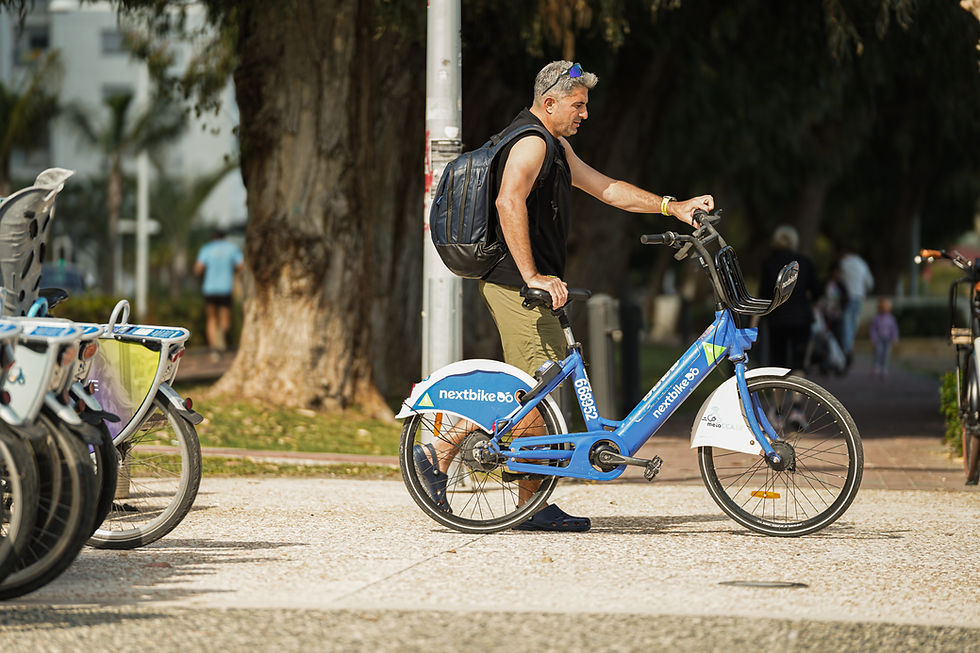
nextbike Cyprus helps organizations bring this approach into daily life through shared bike access, corporate mobility programs, and a network designed for movement across communities. The value is practical: give people a reliable choice for short trips, help reduce transport friction, and make sustainable action easier to repeat.
A Better Choice Starts With One Useful Ride
No single transport mode will solve every mobility challenge in Cyprus. Cars remain necessary for many trips, public transportation has an essential role, and walking is often the best option for very short distances. The opportunity is to give people more than one workable choice.
When an employee can leave the car parked for a nearby meeting, ride from a station to the office, or choose an electric bike instead of waiting in traffic, ESG becomes part of the day rather than an item on a presentation slide. Start with the routes people already take, make the alternative easy to access, and let every useful ride move your organization and your city forward.







Comments