

Corporate Bike Sharing That Moves Teams Forward

A late meeting, a short trip across town, a parking space that never appears - these are small frustrations that shape how people feel about getting to work. Corporate bike sharing gives employers a direct way to make everyday movement easier. Instead of asking employees to own, store, maintain, and transport a bicycle, a shared program puts a practical ride within reach when it is needed.
For employers across Cyprus, that can mean less commuter stress, more flexible workdays, and a visible step toward lower-impact transportation. It is not about replacing every car journey. It is about making the short urban journeys that surround a workday simpler, faster, and more enjoyable.

Why Corporate Bike Sharing Works for Modern Teams
Most work travel is not one long commute. It is made up of smaller trips: from a bus stop to the office, between buildings, to a client meeting, or from work to lunch and back. These trips are often too far to walk comfortably and too short to justify sitting in traffic or searching for parking.
A corporate bike-sharing program fills that gap. Employees can access a bike through an app, ride independently, and return it according to the local station or service rules. The experience is familiar to people who already expect transport to be available on demand, without paperwork or a long-term ownership commitment.
For businesses, the value reaches beyond the ride itself. A well-designed program can support employee wellbeing, improve access to the workplace, and give mobility goals a practical form. It shows that an employer understands the reality of moving through busy city streets, especially where parking is limited and travel time can feel unpredictable.
More Choice Without More Pressure
Not every employee will cycle every day, and they should not have to. Corporate bike sharing works best as one option within a wider mobility mix that may include walking, public transit, car sharing, and personal vehicles.
That flexibility matters. Someone may take the bus in the morning and use a bike for the final stretch. Another employee may ride to a nearby appointment rather than use a company car. A team member who normally drives may choose a bike on days when traffic is heavy or parking is scarce. Each ride gives people more control over how they move.
This is particularly useful for offices in Limassol, Paphos, Nicosia, Larnaca, Famagusta and other connected communities where short trips can consume far more time than their distance suggests.
The Business Case Goes Beyond ESG
Environmental goals are a strong reason to support cycling, but they are not the only reason. Employees respond to programs that make life easier, not just programs that ask them to make a sacrifice.
A bike-sharing benefit can help employers address several everyday challenges at once:
Reduce dependence on limited workplace parking
Make last-mile connections from transit stops more convenient
Give teams a quick option for local work trips
Support healthier movement during the day
Add a credible, visible action to mobility and ESG plans
The strongest programs connect these benefits to the company’s actual location and workforce. An office near a bike station may focus on first-mile and last-mile commuting. A business with multiple nearby sites may encourage staff to use bikes for short inter-office travel. A hospitality, retail, or service employer may see value in helping employees move around a city center without relying on a car.
There is also a recruitment and retention angle. People notice the everyday signals an employer sends. A workplace that supports flexible, affordable movement can feel more practical and more forward-looking, particularly for younger professionals, students, and employees who do not want the cost of car ownership to define their commute.
Building a Corporate Bike Sharing Program People Will Use
The best program is not necessarily the largest one. It is the one employees understand, can access easily, and can use often enough to become part of their routine.
Start by looking at real travel patterns. Where do employees live? Which transit routes serve the workplace? Are there nearby stations? Do staff regularly travel between locations, to meetings, or into city centers? A short employee survey can reveal where a bike option would remove friction and where it may have limited relevance.
Next, decide how the benefit will work. Some employers offer a monthly mobility allowance or ride credits. Others create a subsidized program for selected employees, departments, or sites. A company may cover work-related rides in full while offering discounted personal rides as an added benefit. The right approach depends on budget, team size, and whether the main goal is commuting, business travel, wellbeing, or ESG progress.
Clarity is essential. Employees should know who is eligible, how to access the program, what rides are covered, and what happens if a bike is unavailable at a preferred station. Simple guidance increases confidence. Complicated rules make a useful benefit easy to ignore.
Make the Launch Feel Like an Invitation
A mobility program needs more than an internal announcement. People need to see how it fits into a normal day.
Show employees a few realistic examples: riding from the station to the office, traveling to a nearby meeting, or choosing a bike for a quick lunch break. Share practical information about using the app, finding stations, choosing the right bike, and returning it correctly. If electric city bikes are available in the local network, explain when they can be a comfortable option for longer routes or warmer days.
A launch ride, commuter challenge, or team mobility week can help create early momentum. The goal is not to pressure people into cycling. It is to let them try a different way of moving and decide where it works for them.
Plan for Cyprus Conditions, Not an Idealized Commute
Cycling in Cyprus can be enjoyable and practical, but a corporate program should reflect local conditions. Heat, road infrastructure, route confidence, work clothing, and the distance to a station all influence whether someone rides.
That means employers should avoid treating bike sharing as a one-size-fits-all answer. For some people, an electric bike may make a route more manageable. For others, cycling may be most useful outside the hottest part of the day or for occasional local trips rather than a daily commute. Employees with mobility limitations, long-distance commutes, or caregiving schedules may need different options.
A thoughtful program gives people choice instead of creating a new expectation. It can sit alongside transit support, flexible start times, remote-work policies, or parking management. The point is to reduce barriers, not shift them from one group to another.
Measure What Matters, Then Improve
Usage data can help employers understand whether a program is delivering value, but the numbers need context. Total rides are useful, yet they do not tell the whole story. Look at when employees ride, which locations are most useful, whether rides replace short car trips, and how participants describe the experience.
Feedback is especially valuable during the first few months. Employees may identify a station they wish were closer, a time when availability is limited, or confusion around ride credits. These insights can guide communication, benefit design, and future mobility decisions.
It is also worth being realistic about adoption. A program does not need every employee to ride for it to make a difference. If it helps a meaningful group avoid parking pressure, reach transit more easily, or replace routine short vehicle trips, it is already improving the way the workplace connects to its city.
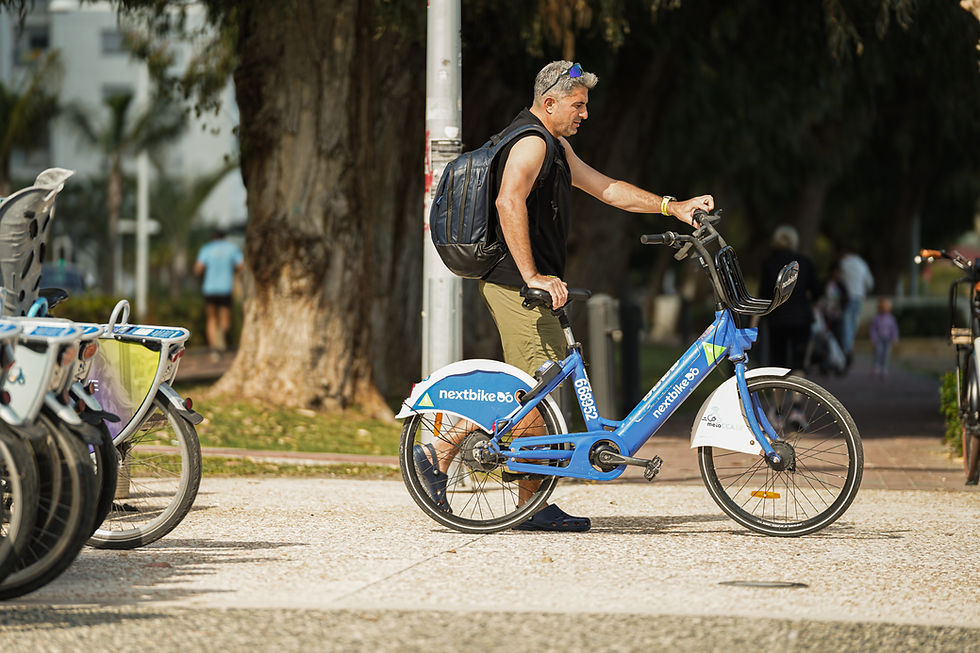
For organizations looking to put this into action, nextbike Cyprus can support app-based shared cycling across communities and cities throughout the island. The practical starting point is simple: identify where your people need more freedom to move, then make the better choice easy to take.
When a bike is available at the right moment, a short trip stops being another obstacle in the workday. It becomes a chance to move freely, arrive with more energy, and help shape a city that works better for everyone.




Comments